Mudavadi confirms rescue of 27 lured Kenyans ahead of March Russia talks
 February 11, 2026
3 min read
February 11, 2026
3 min read
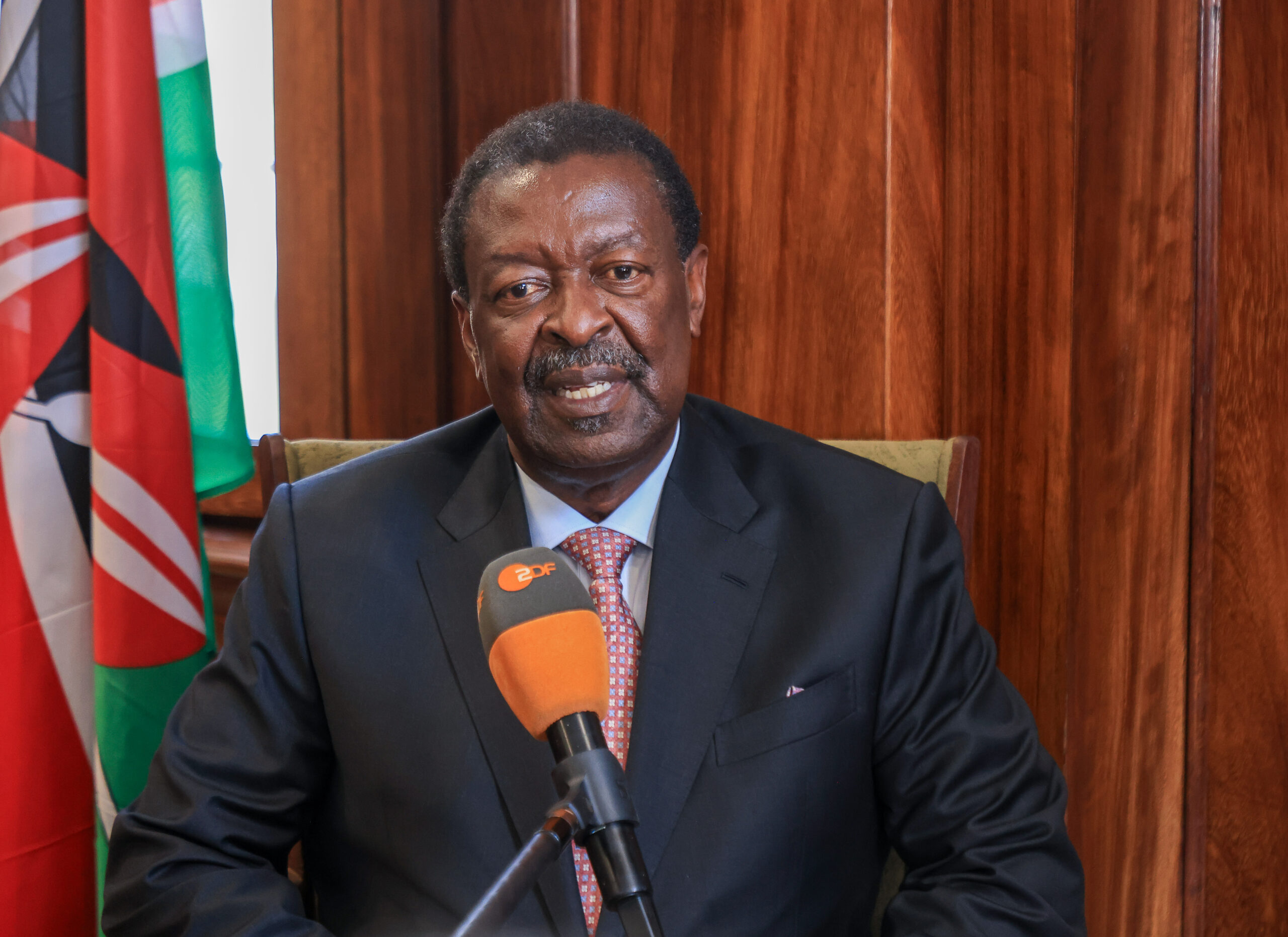
Prime Cabinet Secretary and Cabinet Secretary for Foreign Musalia Mudavadi. Photo credit PSC
Kenya’s government has repatriated 27 citizens illegally recruited into the Russia-Ukraine war zone after falling victim to deceptive employment schemes, Foreign Minister Musalia Mudavadi confirmed this week.
The rescue operation, coordinated through Kenya’s Moscow mission, represents Nairobi’s efforts to protect citizens from predatory recruitment networks across Eastern Europe.
Mudavadi, who serves as Prime Cabinet Secretary and heads the Foreign and Diaspora Affairs ministry, said most victims were ensnared by recruitment networks linked to Russian military operations. Many believed they were accepting legitimate employment opportunities.
“We have facilitated 27 Kenyans to come back home away from the frontline and from what they thought were different jobs but ended up being lured into battle,” Mudavadi said.
Diplomatic Mission to Address Root Causes
The developments have prompted urgent action. Mudavadi announced advanced plans to visit Moscow for direct engagement with Russian authorities, aiming to address circumstances that drew Kenyan nationals into conflict.
“We have seen loss of lives, and I am planning to make a visit to Moscow, so that we can emphasize that this is something that needs to be arrested,” he said.
Kenya’s Ambassador to Russia, Peter Mathuki, has maintained contact with relevant agencies as both governments work toward structured bilateral agreements similar to those Kenya established with Austria and Germany.
“The Kenyan Ambassador has been in contact with the relevant agencies, and we intend to ensure structured bilateral agreements just like the ones we have with different countries where Kenyans will get legitimate and decent jobs,” Mudavadi added.
Broader Pattern of Exploitation Emerges
Over the weekend, Mudavadi raised fresh concerns about young Kenyans being lured into hazardous situations abroad. Rescued nationals reported being forced to assemble drones and handle dangerous chemicals without proper training or protective equipment.
Some victims sustained severe injuries while working under Russian military supervision. Ministry officials noted irregular recruitment, misinformation and false promises have left citizens in precarious situations.
“We are concerned that even some don’t inform their families when they travel and later fall victim to what is happening on the war front,” Mudavadi said.
Human Trafficking Networks Extend Beyond Battlefield
The threat extends beyond military recruitment. Mudavadi warned that Kenyans abroad face additional dangers including forced labor, drug trafficking and organ harvesting schemes.
“There are many traps other than the famous debate on recruits for war in Russia,” he said. “Incidents of human trafficking linked to human organ transplants have been reported, and also some cases of drug trafficking and other indecent jobs where our brothers and sisters fall victim.”
Following repatriation, the government provides comprehensive psycho-social support to help survivors recover. The State Department for Diaspora Affairs guides returnees through programs addressing their physical, mental and social well-being.
President William Ruto has engaged Ukrainian authorities regarding Kenyans detained as prisoners of war, pursuing channels to secure their release and return home.

Related Articles