Sudan militia leader sentenced to 20 years for war crimes by ICC
 December 10, 2025
3 min read
December 10, 2025
3 min read

Ali Muhammad Ali Abd al-Rahman, a leader of the Sudanese Janjaweed militia, waits to hear the verdict of the International Criminal Court on Tuesday, Dec. 9, 2025, in The Hague. (Peter Dejong, ANP/AFP via Getty Images)
The International Criminal Court on Tuesday sentenced a former commander of Sudan’s feared Janjaweed militia to 20 years in prison for war crimes and crimes against humanity committed during the Darfur conflict two decades ago.
Ali Muhammad Ali Abd-Al-Rahman, widely known as Ali Kushayb, was convicted in October on 27 counts that included murder, rape, torture, persecution and the forced displacement of civilians in attacks on four towns and villages between August 2003 and April 2004.
The 76-year-old militia leader, who surrendered to the court in 2020 after 13 years on the run, showed no visible reaction as Presiding Judge Joanna Korner read the sentence in a packed courtroom. Time already served since his arrest will be deducted, leaving him roughly 15 years behind bars if the verdict stands.
Korner called the crimes “acts of unimaginable cruelty” and said the sentence reflected both punishment for the past and a warning against future atrocities. Prosecutors had asked for life imprisonment; the defense had pushed for no more than seven years.
Roots of the Darfur bloodshed
The violence erupted in 2003 when ethnic African rebels took up arms against the Arab-dominated government in Khartoum, accusing it of discrimination. The regime of then-President Omar al-Bashir responded by unleashing the Janjaweed — mostly nomadic fighters recruited from Arab tribes — alongside regular army units.
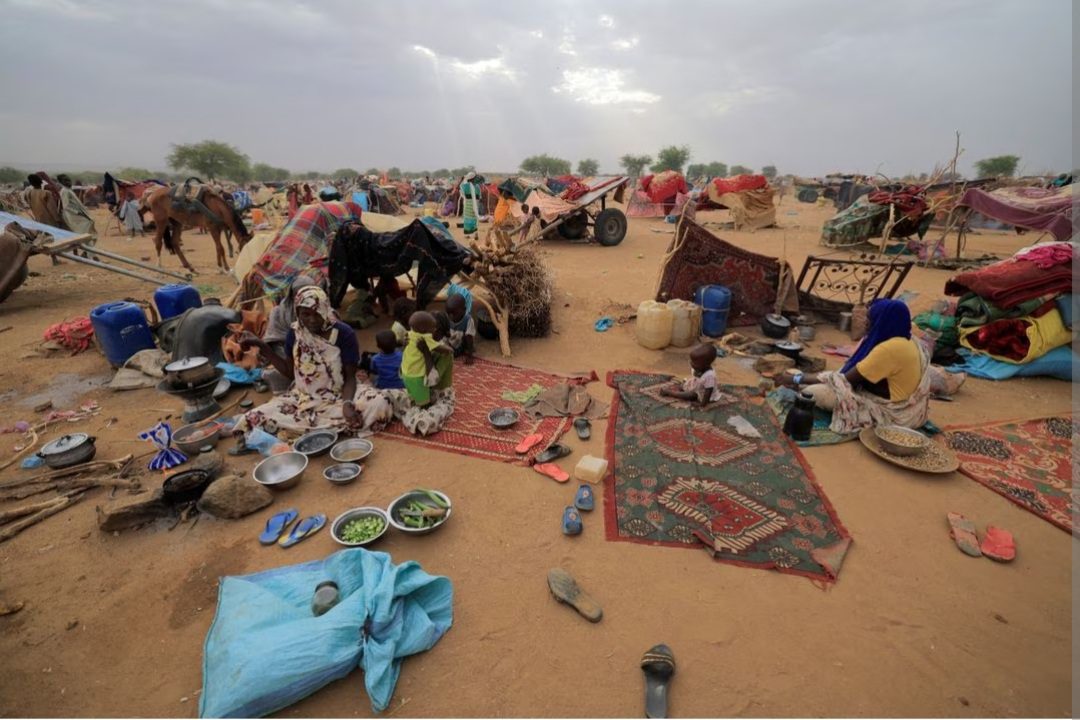
The militias swept through Darfur on horseback and in pickup trucks, burning villages, killing men and boys, raping women and girls, and poisoning wells. The United Nations estimates 300,000 people died and more than 2.5 million were displaced. Washington labeled the campaign genocide; Sudan denied the charge.
Kushayb, nicknamed the “colonel of colonels,” was accused of personally leading attacks on the towns of Kodoom, Bindisi, Mukjar and Deleig. Witnesses told the court they saw him direct killings and, in one case, hack prisoners to death with an axe.
A landmark but limited verdict
The three-judge panel found Kushayb guilty as both a direct participant and a commander who failed to stop or punish crimes by his fighters. He was acquitted on four counts tied to specific incidents in Deleig.
The trial, which opened in April 2022, was the ICC’s first conviction linked to the Darfur conflict. More than 50 witnesses testified, many under heavy protective measures because of continued violence in Sudan.
Kushayb maintained throughout the proceedings that he was the victim of mistaken identity and had never been a Janjaweed commander.
Mixed reactions from victims and rights groups
Outside the courthouse, lawyers representing Darfur survivors welcomed the sentence but said it was only a first step.
“It brings some relief after 20 years of waiting, but real justice means reparations and prosecuting everyone responsible — including those still in power,” said one of the victims’ legal representatives, who asked not to be named for security reasons.
Amnesty International called the ruling “long overdue” and urged countries to arrest others wanted by the court, including Bashir, who has been in Sudanese custody since his 2019 ouster but has never been handed over.
Echoes in Sudan’s new war
The sentence comes as Sudan is gripped by another devastating conflict. Since April 2023, the Rapid Support Forces — the modern successor to the Janjaweed — have been fighting the national army in a power struggle that has killed tens of thousands and displaced more than 10 million people.
Reports of ethnic massacres, rape and sexual violence in Darfur have surged again, prompting the ICC to open a new investigation last year.
Both the prosecution and defense have 30 days to appeal Tuesday’s sentence. The judges also ordered further proceedings on possible reparations for victims.
For many Darfuris, the courtroom in The Hague feels far away, but the pain remains close.

Related Articles